Optimal Timing for Warehouse Painting
Spring and fall are generally considered ideal due to moderate temperatures and humidity levels, which facilitate proper drying and adhesion.
Extreme cold, heat, or high humidity can compromise paint quality, leading to issues like peeling or uneven coverage.
Temperatures below 50°F or above 85°F are not recommended for painting, as they affect drying times and paint performance.
Planning during periods of stable weather reduces the risk of delays and rework, ensuring a smooth painting process.
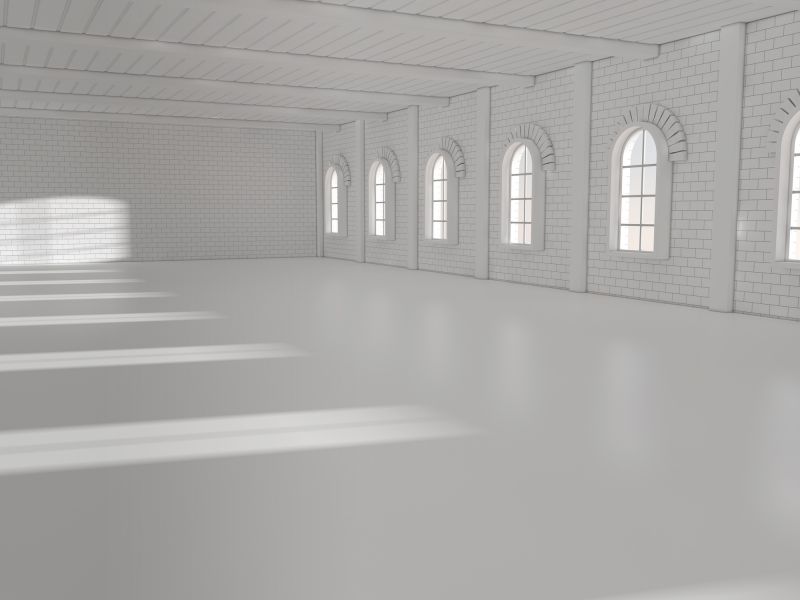
Ways to make Warehouse Paintings work in tight or awkward layouts.
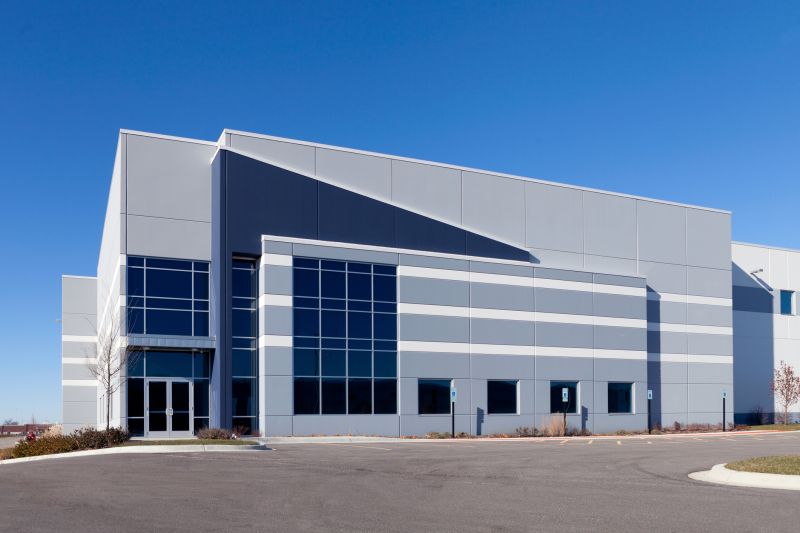
Popular materials for Warehouse Paintings and why they hold up over time.
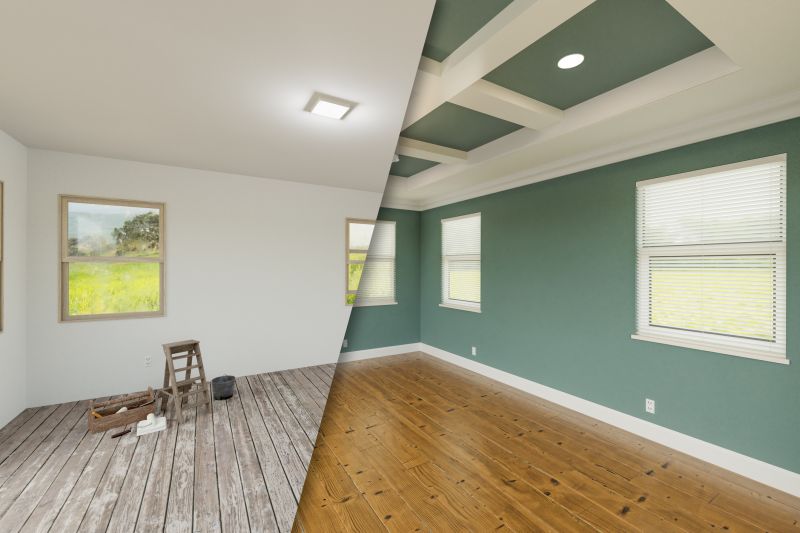
Simple add-ons that improve Warehouse Paintings without blowing the budget.
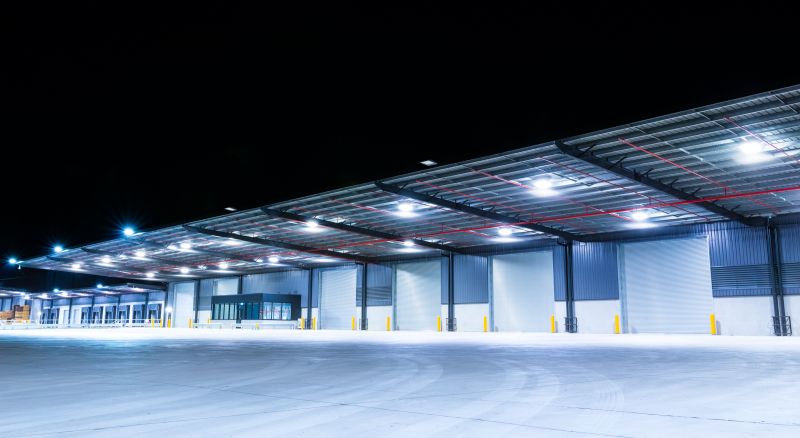
High-end options that actually feel worth it for Warehouse Paintings.
Warehouse paintings contribute significantly to the maintenance and aesthetic appeal of industrial facilities. Properly executed paint jobs protect surfaces from corrosion, wear, and environmental damage, extending the lifespan of structural components. The choice of paint, surface preparation, and timing are all critical factors influencing the durability and appearance of the finished work.
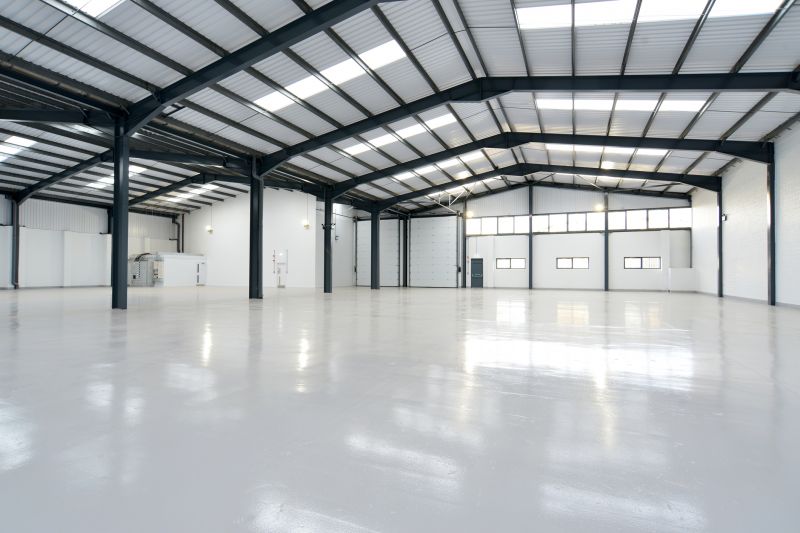
Finishes and colors that play nicely with Warehouse Paintings.

Little measurements that prevent headaches on Warehouse Paintings day.
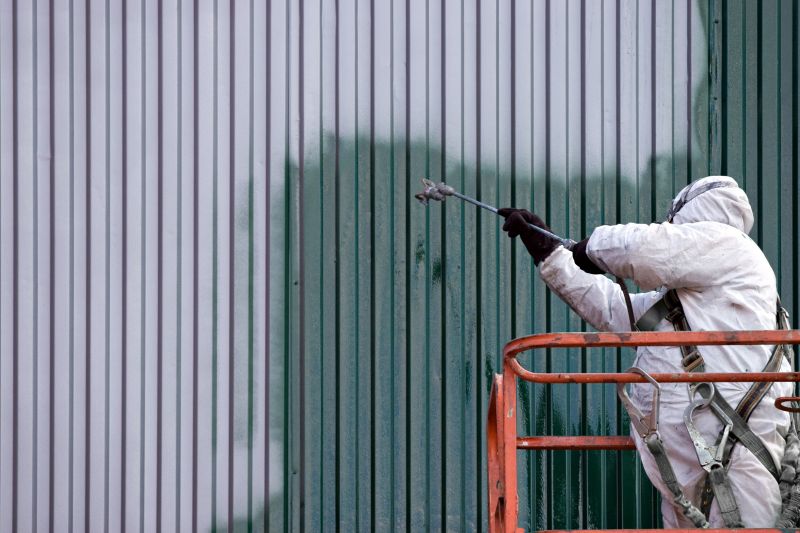
A 60-second routine that keeps Warehouse Paintings looking new.

A frequent mistake in Warehouse Paintings and how to dodge it.

Small tweaks to make Warehouse Paintings safer and easier to use.
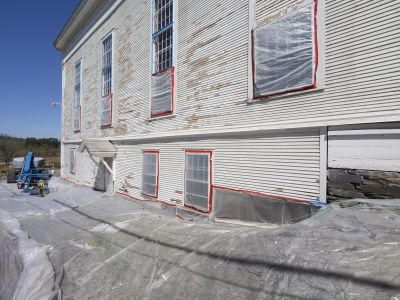
Lower-waste or water-saving choices for Warehouse Paintings.

The short, realistic tool list for quality Warehouse Paintings.

Rough timing from prep to clean-up for Warehouse Paintings.
| Season | Advantages |
|---|---|
| Spring | Moderate temperatures, longer daylight hours, ideal for surface preparation and painting. |
| Fall | Cooler weather, reduced humidity, good for durable finishes. |
| Summer | Longer days, but risk of high temperatures and humidity affecting drying. |
| Winter | Not recommended due to cold temperatures and potential for moisture issues. |